

The Hidden Reason Behind a GLP-1 Plateau: Muscle Loss vs. Fat Loss on Weight Loss Injections
This article discusses the use of Prescription Only Medicines (POMs). At Aster, in line with UK law, guidance and regulations, it is not possible to obtain a POM without a prior clinical consultation which results in prescription of a medicine.
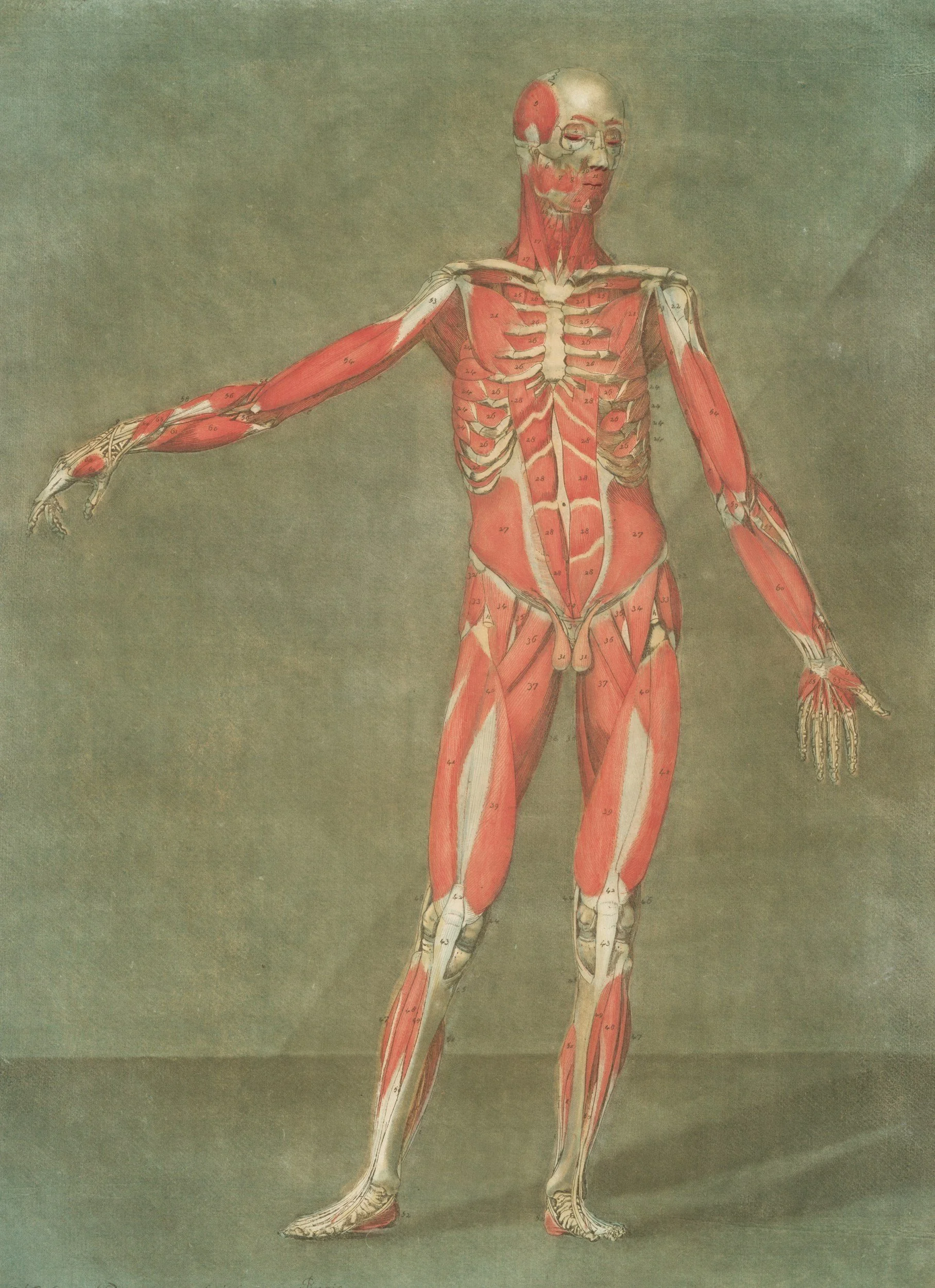
When you start a weight loss injection like semaglutide or tirzepatide, the initial drop on the scale can feel fast. But a few months into treatment, many patients hit a plateau. A weight loss plateau is a period of weeks or months where weight loss stalls completely despite changing nothing about your dose or diet.
While most people assume a plateau means the medication has stopped working, the real culprit often comes down to changes in your body composition. Specifically, how much lean mass (muscle) you are losing compared to fat mass.
Understanding this balance is the key to breaking the stall and keeping your metabolism healthy.
The Scale's Big Secret: What Are You Actually Losing?
When you lose weight rapidly, whether or not you are on a GLP-1 medication, your body does not just burn through stored fat for energy. It also breaks down muscle tissue.
The 25% Rule: Major clinical trials using specialised body scans (DXA scans, which map fat vs. muscle) show that roughly 25% of the total weight lost on maximum doses of these medications comes directly from lean muscle mass, not fat.
The Calorie Crash: The primary reason for this is a massive drop in appetite. When your daily food intake drops suddenly, your body doesn't get enough dietary protein. To compensate, it starts breaking down its own muscle tissue for energy.
How Muscle Loss Drives the Weight Loss Plateau
Losing muscle directly alters your baseline metabolism, making it significantly harder to continue losing weight.
The Resting Metabolic Rate (RMR) Drop
Your Resting Metabolic Rate (RMR) is the baseline number of calories your body burns just to stay alive and function at rest.
Muscle tissue is highly active, meaning it requires a lot of energy (calories) for your body to maintain. Fat tissue requires very little. When you lose muscle, your body's daily calorie-burning engine shrinks.
A smaller body naturally requires fewer calories to run, but if you lose a significant amount of muscle alongside fat, your RMR drops sharply. Eventually, the amount of food you are eating matches this new, lower calorie-burn rate. Your weight hits a dead stop.
Fluid Shift Artifacts
It is also common for the scale to stall even while you are actively losing fat. As your body adjusts to the medication, shifts in water retention can temporarily mask ongoing fat loss. This means your body structure may still be improving even if the scale refuses to budge for a few weeks.
Real-World Differences: Tirzepatide vs. Semaglutide
Large-scale patient tracking data highlights that the faster and more aggressive your weight loss is, the higher the risk of a muscle-driven plateau.
Weight Loss Velocity: Studies tracking patient data over a year reveal that dual-hormone injections (like tirzepatide) often cause faster initial weight loss than single-hormone options (like semaglutide).
The Muscle Risk: Because the weight drops more rapidly, the decline in lean body mass can be sharper. Patients who experience the fastest drops frequently encounter an early plateau because their metabolism has had to adapt so aggressively to the loss of lean tissue.
Long-Term Impact: The Risk of Stopping
Protecting your muscle during treatment isn't just about breaking a plateau; it is critical for what happens if you ever stop taking the medication.
Long-term follow-up data from clinical trial extensions shows that patients who stop using weight loss injections routinely experience a bounce-back in weight. However, the rebound is disproportionate: the weight that returns is almost entirely fat mass, while the muscle lost during the rapid drop does not automatically return.
This can leave your baseline metabolism permanently slower than when you started, setting up a cycle of rapid weight regain.
Patient Action Plan: How to Protect Muscle and Break the Stall
To kickstart your weight loss and protect your metabolism, you must shift your focus from simply ‘losing weight’ to preserving muscle.
Prioritise Protein: You must intentionally consume adequate protein daily, even when your appetite is low. Aim for a protein source at every meal to give your body the building blocks it needs to repair tissue, preventing it from breaking down your existing muscle.
Build Your Physical Strength: Strength or resistance training is beneficial. Working your muscles sends a clear signal to your body that this tissue is necessary, forcing it to burn stored fat for energy instead of scavenging your muscles.
Track Relative Strength: Pay attention to how you feel, not just what the scale says. If your energy levels are stable and your physical strength is improving, your body composition is shifting in the right direction - even during a temporary scale plateau.
Sources
Increasing Skeletal Muscle Mass and Strength During Incretin-Based Weight Loss
https://www.preprints.org/manuscript/202606.0495
Weight-loss dynamics with tirzepatide versus semaglutide
https://www.researchgate.net/publication/407134367_Weight-loss_dynamics_with_tirzepatide_versus_semaglutide
The Relationship between Resting Metabolic Rate and Body Composition in People Living with Overweight and Obesity
https://pmc.ncbi.nlm.nih.gov/articles/PMC11477793/
Impact of Incretin-Based Therapy on Skeletal Muscle Health
https://pmc.ncbi.nlm.nih.gov/articles/PMC12471476/
Weight regain and cardiometabolic effects after withdrawal of semaglutide: The STEP 1 trial extension
https://pubmed.ncbi.nlm.nih.gov/35441470/
Lean Mass and Musculoskeletal Preservation in GLP-1-Based Obesity Treatment: Nutrition, Exercise, Supplementation, and Monitoring Strategies
https://www.mdpi.com/2218-1989/16/6/364
Tirzepatide Once Weekly for the Treatment of Obesity
https://www.nejm.org/doi/full/10.1056/NEJMoa2206038
Two-year effects of semaglutide in adults with overweight or obesity: the STEP 5 trial
https://pubmed.ncbi.nlm.nih.gov/36216945/
Weight loss with GLP-1 medicines does not result in a disproportionate loss of muscle mass or function in obese mice and humans
https://pubmed.ncbi.nlm.nih.gov/41850248/
Greater lean-body-mass decline with tirzepatide than semaglutide in routine care, revealed by body-composition digital phenotyping
https://www.medrxiv.org/content/10.64898/2026.04.11.26350687v1.full

This article was written by
Sally Proudman
Operations Manager
