

Protein, Fibre and Hydration: The Three Basics That Make Treatment Easier
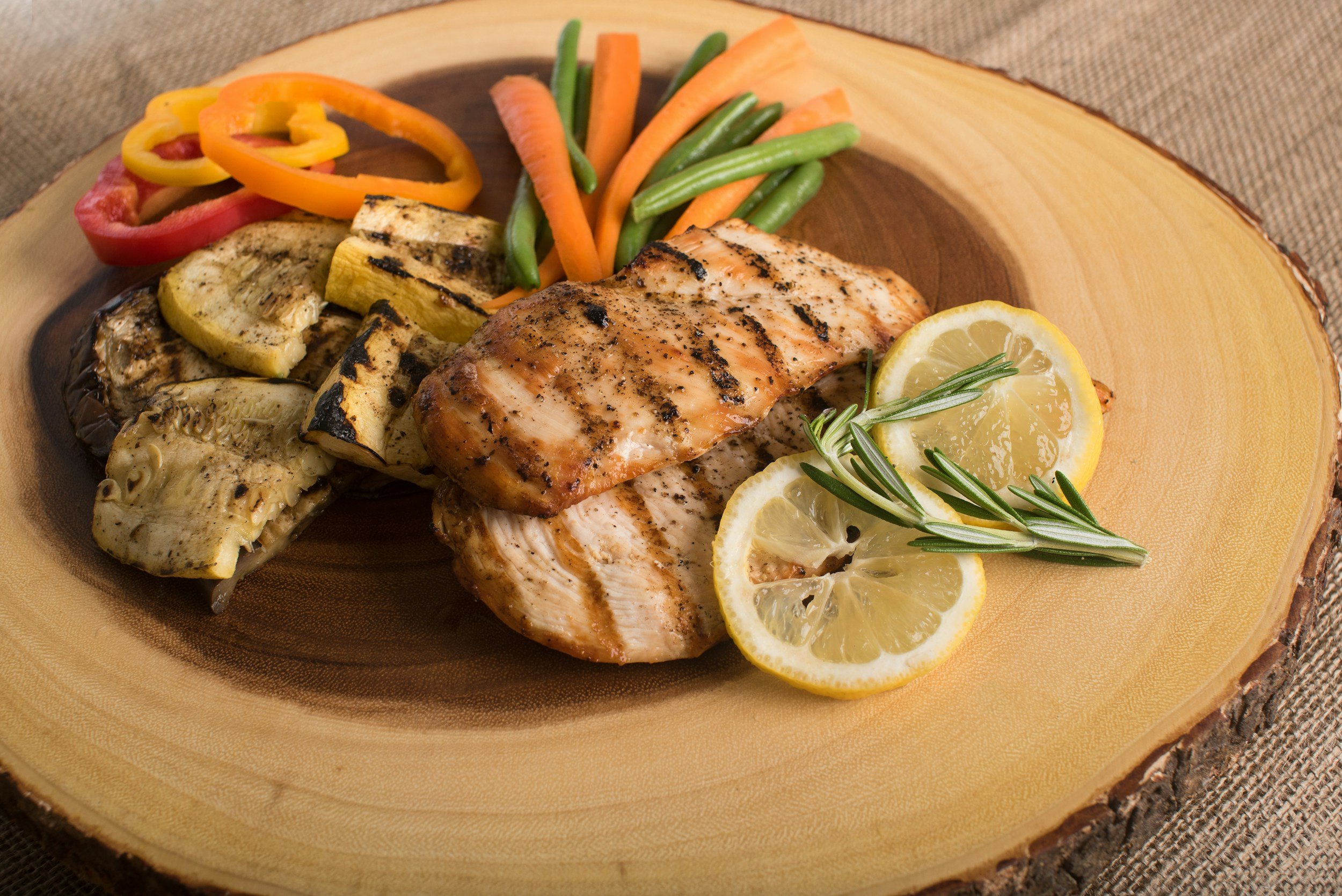
When people start weight loss treatment, they often focus on the medicine, the dose and the number on the scale. Those things matter, but day-to-day success often comes down to three simple basics: protein, fibre and hydration.
These three things can make treatment feel easier. They can help with fullness, energy, digestion, constipation, muscle maintenance and side-effect management. They also give patients something practical to focus on, especially in the first few weeks when appetite may be changing.
At Aster, we do not believe patients need complicated diet rules to start well. Most people need simple, realistic guidance that fits into normal life. Protein, fibre and hydration are a good place to begin.
Why these basics matter during weight loss treatment
Medicines such as Mounjaro and Wegovy can reduce appetite and help people feel full sooner. This can be useful, but it can also mean patients eat and drink less than they realise.
When appetite drops, it is easy to skip meals, eat smaller portions without thinking about nutrition, or forget to drink enough fluids. This can lead to tiredness, constipation, nausea, headaches, dizziness or feeling generally unwell.
The goal is not just to eat less. The goal is to eat in a way that supports your body while treatment helps with appetite control.
That is where protein, fibre and hydration come in.
Protein: protecting muscle and keeping meals satisfying
Protein is one of the most important nutrients to focus on during weight loss. When you lose weight, the aim is to reduce body fat while protecting and building as much muscle as possible. Muscle matters for strength, mobility, metabolism, posture and long-term health.
If appetite is low, protein can easily drop without you noticing. You might have toast for breakfast, soup for lunch and a small snack for dinner, but by the end of the day your body may not have had enough protein to support muscle maintenance.
Protein can also make meals feel more satisfying. This is useful because very small or low-protein meals may leave you feeling weak, tired or hungry later, even if your appetite feels reduced at the time.
Good protein options include:
Eggs
Greek yoghurt
Cottage cheese
Chicken or turkey
Fish
Lean beef
Tofu or tempeh
Beans, lentils and chickpeas
Protein-rich soups
Protein shakes, if needed
A simple way to think about it is: try to include a protein source every time you eat.
This does not need to be perfect. Breakfast could be Greek yoghurt with fruit, eggs on toast, or a protein smoothie. Lunch could be a chicken wrap, lentil soup, tuna salad or tofu bowl. Dinner could be lean meat, fish, beans or eggs with vegetables and a carbohydrate source.
If you are struggling with low appetite, smaller protein portions across the day may feel easier than one large meal.
Fibre: supporting digestion, fullness and bowel health
Fibre is another key part of weight loss treatment, especially because constipation is a common issue for many patients.
Fibre helps support bowel function, gut health and fullness. However, when patients eat less, they often get less fibre too. Smaller portions, fewer meals and avoiding bulky foods can all reduce fibre intake.
This matters because weight loss injections can slow digestion. If you combine slower digestion with low fibre and low fluid intake, constipation can become much more likely.
Good fibre sources include:
Vegetables
Fruit
Beans and lentils
Chickpeas
Oats
Wholegrain bread
Brown rice
Quinoa
Potatoes with skin
Seeds, such as chia or flaxseed
A practical approach is to add fibre gently rather than suddenly. A sudden jump in fibre can cause bloating, gas or discomfort, especially if you are not drinking enough water.
Easy ways to increase fibre include:
Add berries or chia seeds to yoghurt
Add lentils or beans to soup
Choose wholegrain bread or wraps
Add vegetables to rice, pasta or omelettes
Snack on fruit instead of very low-nutrient snacks
Add salad or vegetables to sandwiches and wraps
Fibre is helpful, but it works best with hydration. Increasing fibre without increasing fluids can sometimes make constipation worse.
Hydration: the overlooked part of treatment
Hydration sounds basic, but it is one of the most common things people underestimate during weight loss treatment.
When appetite reduces, thirst cues and drinking habits can change too. Some patients eat less and accidentally drink less. Others feel nauseous and avoid fluids. Some reduce meals and snacks, which also reduces the fluids they would normally get from food.
Not drinking enough can make side effects worse. It can contribute to:
Headaches
Constipation
Dizziness
Dry mouth
Fatigue
Nausea
Dark urine
Feeling lightheaded
Hydration does not have to mean forcing down huge amounts of water. For many patients, sipping little and often works better.
Helpful options include:
Water
Herbal tea
Sugar-free squash
Diluted juice
Clear soups or broths
Electrolyte drinks, if appropriate
Water-rich foods such as cucumber, melon, oranges and soups
A good practical habit is to keep a drink nearby throughout the day. If you wait until you feel very thirsty, you may already be slightly dehydrated.
How the three work together
Protein, fibre and hydration are useful on their own, but they work best together.
For example, a high-protein meal without fibre may be filling, but it may not support bowel regularity. A high-fibre meal without enough fluid may cause bloating or constipation. Drinking more water without eating enough protein may help hydration but will not protect muscle.
A balanced day does not need to be complicated. It might look like:
Breakfast: Greek yoghurt with berries and chia seeds
Lunch: Chicken or tofu wrap with salad
Dinner: Chilli with lean mince or beans, served with rice and vegetables
Snack: Fruit, cottage cheese, boiled egg or a small protein shake
Drinks: Water or herbal tea sipped throughout the day
This is not a strict meal plan. It is just an example of how the basics can fit together.
What if appetite is very low?
Some patients find that their appetite becomes very low, especially after starting treatment or increasing the dose. If this happens, large meals can feel unpleasant.
In that situation, the focus should be on smaller, more useful portions. For example:
Greek yoghurt instead of a large breakfast
Soup with added lentils or chicken
A small omelette
A half wrap with protein and salad
A smoothie with protein
Cottage cheese with fruit
Scrambled eggs on one slice of toast
Try not to rely only on crackers, toast, sweets or very small snacks. They may feel easy to eat, but they may not give your body enough protein, fibre or nutrients.
If you are regularly unable to eat enough, feel weak, feel dizzy, or your appetite suppression feels too strong, you should speak to your clinician. It may be a sign that your dose or treatment plan needs reviewing.
What about nausea?
Nausea can make eating and drinking more difficult. When this happens, patients often skip food completely, but an empty stomach can sometimes make nausea worse.
It may help to:
Eat smaller portions
Eat slowly
Avoid greasy or very rich foods
Sip fluids regularly
Avoid lying down straight after eating
Choose bland but useful foods, such as yoghurt, soup, eggs, toast with protein, or rice with lean protein
Avoid alcohol if it worsens symptoms
If nausea is persistent, severe or affecting your ability to eat or drink, ask for clinical advice.
What about constipation?
Constipation is easier to prevent than to fix once it becomes severe.
To support bowel function:
Drink fluids regularly
Increase fibre gradually
Include fruit, vegetables, oats, beans or lentils
Keep moving where possible
Avoid eating too little
Ask a pharmacist or clinician for advice if symptoms persist
Do not ignore constipation if it becomes painful, prolonged or associated with significant bloating, vomiting or abdominal pain.
Keep it realistic
The point of protein, fibre and hydration is not to create another set of strict rules. It is to give your body the basics it needs while treatment changes your appetite.
You do not need a perfect diet. You do not need to track every gram. You do not need to overhaul your entire life in one week.
Start with simple questions:
Have I had protein today?
Have I had some fibre today?
Have I been drinking enough?
Are my bowels moving normally?
Do I feel well enough on this dose?
These questions are often more useful than asking whether you have been “good” or “bad” with food.
The Aster approach
At Aster, we support patients to use weight loss treatment safely and realistically. Medication can help reduce appetite, but nutrition still matters. Protein, fibre and hydration are three of the simplest ways to make treatment feel easier and protect your health while losing weight.
They help patients move away from crash-diet thinking and towards a more sustainable approach. The aim is not just to lose weight. The aim is to feel well, reduce side effects where possible and build habits that can continue beyond the treatment itself.
This article is for general information only and does not replace medical advice. Weight loss medicines are prescription-only and may not be suitable for everyone. A clinician should assess your individual circumstances before treatment is started or continued.

This article was written by Sally
Operations Manager
Aster, Pharmacy Clinic Edinburgh & Arcadia Health Clinic
