

Mounjaro vs. Wegovy: What’s the Difference?
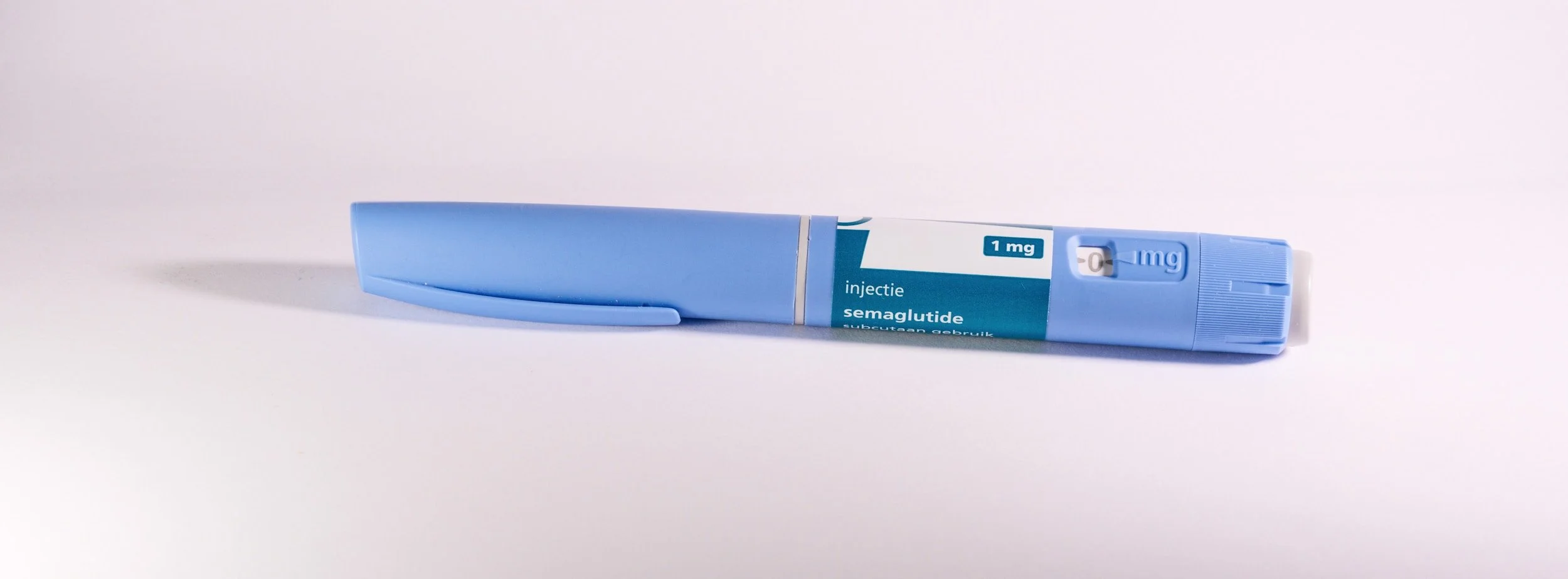
Weight loss injections have become a major topic in recent years, and two of the names people hear most often are Mounjaro and Wegovy. Both are prescription-only medicines used for weight management, and both work by affecting appetite, fullness and food intake. However, they are not the same medicine, and the right option depends on the individual patient, their medical history, their goals, their risk factors and how they tolerate treatment.
At Aster, we believe patients should understand the difference between treatments before starting a programme. Weight loss medication can be very helpful for some people, but it should always be used with proper clinical assessment, ongoing monitoring and lifestyle support.
What is Wegovy?
Wegovy is the brand name for semaglutide. It is also a once-weekly injection used for weight management in suitable adults. Semaglutide works on the GLP-1 pathway. GLP-1 is a hormone involved in appetite, fullness, digestion and blood sugar regulation.
Like Mounjaro, Wegovy can help reduce appetite and support weight loss when used alongside dietary changes, physical activity and regular clinical support. Diabetes UK describes Wegovy as a weight loss medicine that may be prescribed for weight management, including in some people with type 2 diabetes or prediabetes.
What is Mounjaro?
Mounjaro is the brand name for tirzepatide. It is a once-weekly injection used for weight management in suitable adults. Tirzepatide works by acting on two hormone pathways involved in appetite and blood sugar regulation: GIP and GLP-1. These hormones help influence how hungry or full you feel, how quickly the stomach empties and how the body responds to food.
In simple terms, Mounjaro can help some people feel fuller for longer, feel less hungry and reduce the amount they eat. NHS England describes tirzepatide as a medicine that helps people feel fuller for longer and less hungry, and it is given as a once-weekly self-injection.
How are they similar?
Mounjaro and Wegovy have several similarities.
Both are:
Prescription-only medicines
Given as a once-weekly injection
Used for weight management in suitable adults
Designed to support appetite control
Usually started at a lower dose and increased gradually
Intended to be used alongside lifestyle changes
Associated with digestive side effects, especially during the early stages or after dose increases
Neither medicine should be seen as a quick fix. They work best when combined with realistic nutrition changes, movement, sleep support, hydration, and regular clinical review. NICE also states that medicines for weight management should be used alongside a reduced-calorie diet and increased physical activity.
How are they different?
The main difference is how they work in the body.
Wegovy contains semaglutide, which acts on the GLP-1 receptor.
Mounjaro contains tirzepatide, which acts on both GIP and GLP-1 receptors.
Because tirzepatide works on two hormone pathways rather than one, some studies have shown greater average weight loss with tirzepatide than with semaglutide. NICE has noted that, based on indirect comparisons, tirzepatide was more effective for weight loss than semaglutide when both were used with diet and exercise support.
However, that does not automatically mean Mounjaro is the best choice for everyone. Average results from studies do not predict exactly how one person will respond. Some people may tolerate Wegovy better. Some may not be suitable for one of the medicines. Some may have other health factors that make one option more appropriate than the other.
Dosing and treatment journey
Both medicines are usually started at a low dose. This helps the body adjust and may reduce the chance of side effects.
With Mounjaro, the dose is gradually increased over time if clinically appropriate. The patient information leaflet advises patients to read the full leaflet carefully and speak to a doctor, pharmacist or nurse if they have questions.
With Wegovy, treatment is also gradually increased through different dose strengths. The patient information leaflet highlights that nausea, vomiting and diarrhoea can occur during treatment and may lead to dehydration, so patients are advised to drink enough fluids and seek advice if concerned.
At Aster, this is why we do not see treatment as simply ‘ordering a pen’. The dose, side effects, response, weight change, appetite suppression and overall wellbeing all need to be reviewed.
Side effects
The most common side effects with both treatments are usually digestive. These may include:
Nausea
Vomiting
Diarrhoea
Constipation
Indigestion or reflux
Abdominal discomfort
Reduced appetite
Some people experience mild symptoms that settle as the body adjusts. Others may need dietary advice, dose timing support, a slower escalation plan or a clinical review.
There are also less common but more serious risks, including gallbladder problems and pancreatitis. The Wegovy patient leaflet specifically advises patients to seek advice if they experience symptoms suggestive of pancreatitis, such as severe stomach pain that does not go away. Cheshire and Merseyside NHS also notes that tirzepatide can be associated with common digestive side effects, and that more serious side effects can include low blood sugar, gallstones and pancreatitis.
This is one of the reasons proper screening matters before treatment starts.
Who might be suitable?
Suitability is not based only on weight. A clinician will usually consider:
BMI
Weight-related health conditions
Current medicines
Diabetes status
Past medical history
Eating patterns
Previous weight loss attempts
Pregnancy, breastfeeding or plans to conceive
History of pancreatitis or gallbladder disease
Mental health and relationship with food
Ability to attend follow-up and report side effects
Which one is better?
There is no single answer.
Mounjaro may lead to greater average weight loss for some patients, but Wegovy may still be a very suitable option for others. The “better” medicine is the one that is appropriate, safe, tolerated and effective for the individual.
A patient who loses weight quickly but feels unwell, cannot eat enough protein, becomes dehydrated or develops concerning symptoms is not necessarily having a good treatment outcome. Weight loss should be supported in a way that protects health, muscle mass, nutrition and long-term habits.
Why clinical support matters
Weight loss injections change appetite, but they do not automatically fix eating behaviours, emotional eating, low protein intake, poor sleep, inactivity or weight regain risk. Clinical support helps patients understand what is happening and adjust safely.
A good programme should include:
A proper suitability assessment
Clear information before starting
Dose and side effect monitoring
Nutrition guidance
Hydration and constipation advice
Regular check-ins
Review of progress and tolerability
Maintenance planning
At Aster, our role is to help patients use treatment safely and realistically, not just to prescribe medication. Mounjaro and Wegovy can both be useful tools, but the best results usually come when the medicine is combined with support, structure and sensible long-term planning.

This article was written by Sally
Operations Manager
Aster, Pharmacy Clinic Edinburgh & Arcadia Health Clinic
